

Prep Before You Store: Why a Little Prep Goes a Long Way
Long-term storage isn’t just about putting items into a unit and closing the door. One of the most common mistakes people make with self-storage is underestimating how much preparation matters. Without proper prep, even high-quality storage units can’t fully protect belongings from damage caused by moisture, dust, shifting, or poor packing choices.
The solution is simple but often overlooked: intentional preparation before storage. Taking the time to clean, organize, and pack correctly can be the difference between pulling items out in great condition or dealing with unnecessary repairs and replacements later. For anyone searching for storage units near me, preparation is just as important as choosing the right facility.
At Minot Econo Storage, customers who prepare properly save time, money, and stress. Smart storage starts before you ever lock the door.
Why Preparation Matters for Long-Term Storage
Storage units are designed to protect your belongings, but they are not a substitute for proper care. Items placed into storage without preparation are far more likely to suffer from mold, odors, warping, pest damage, or crushing.
Long-term storage challenges often include:
-
Trapped moisture that leads to mildew
-
Dust buildup on unprotected items
-
Shifting boxes that cause breakage
-
Forgotten items are buried under rushed packing
Preparing your items before storage reduces these risks and ensures everything is ready when you need it again.
Step One: Clean and Dry Everything Thoroughly
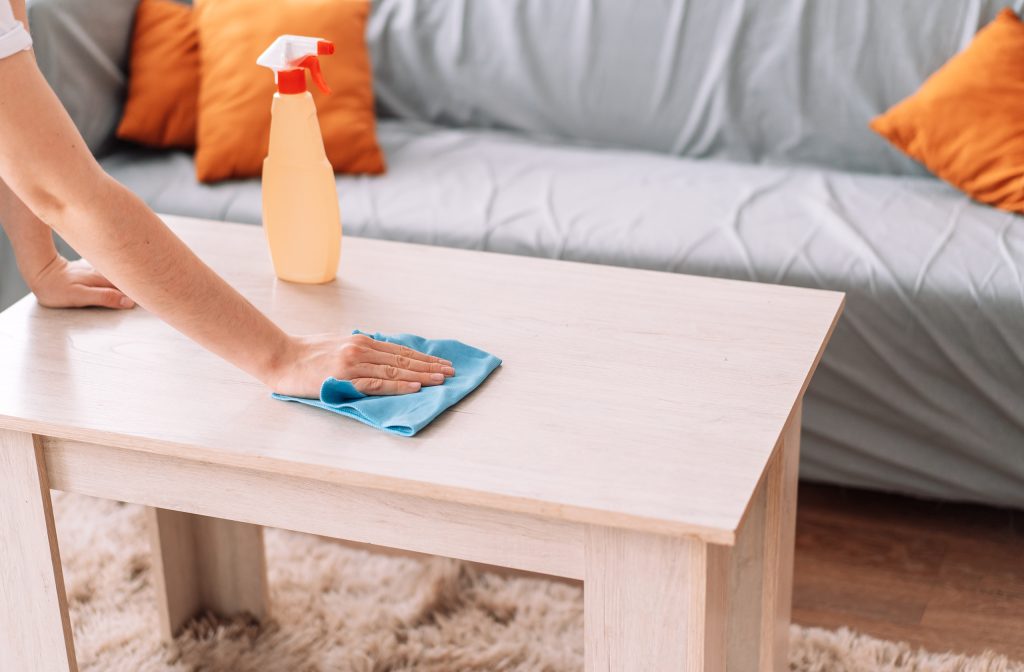
The most important step in storage prep is cleaning and drying every item before it goes into a box or onto a shelf. Dirt, food residue, and moisture are the fastest ways to cause long-term damage.
Before storing:
-
Wash and fully dry clothing, linens, and fabrics
-
Wipe down furniture, appliances, and tools
-
Remove crumbs or residue from kitchen items
-
Allow damp items to air-dry completely
Even small amounts of moisture can lead to odors or mold over time. Clean items last longer and come out of storage ready to use.
Step Two: Pack with Intention, Not Urgency
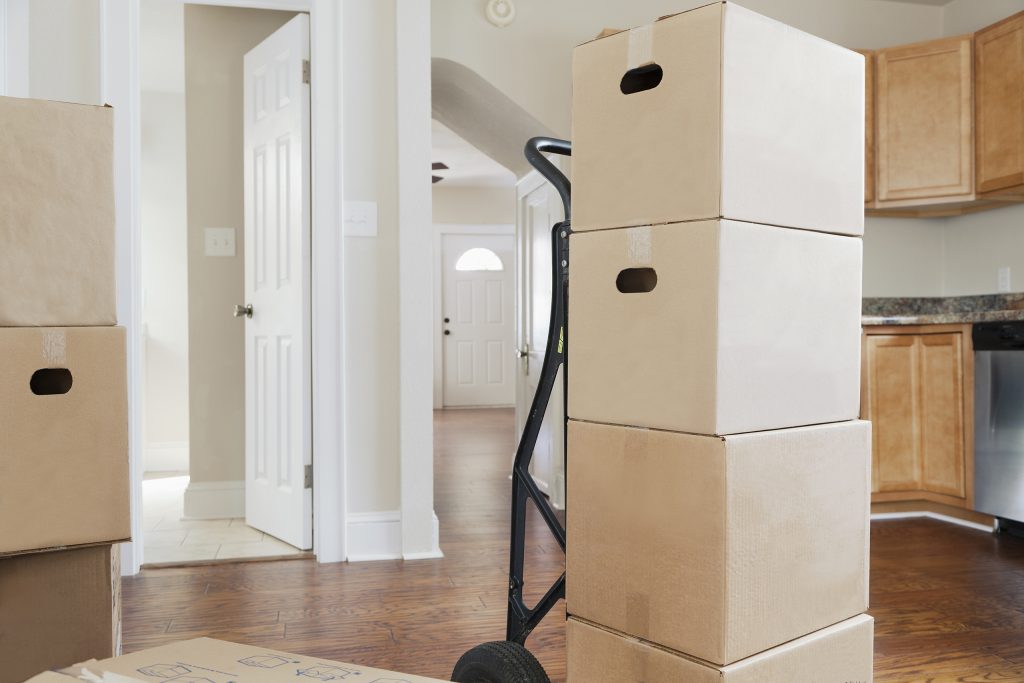
Rushed packing often leads to broken items, crushed boxes, and wasted space. Instead, pack with a plan.
Best packing practices include:
-
Using sturdy, uniform boxes
-
Labeling boxes clearly on multiple sides
-
Grouping similar items together
-
Placing heavier items at the bottom
-
Leaving walkways so items remain accessible
Packing intentionally not only protects your belongings but also makes retrieval easier. You won’t have to dig through unstable piles to find what you need.
Step Three: Protect Furniture and Large Items Properly
Furniture and oversized items require extra attention. Simply placing them in a unit without protection can lead to scratches, dents, or trapped moisture.
To protect larger items:
-
Use furniture covers or breathable blankets
-
Avoid plastic wrap directly on wood or fabric
-
Disassemble items when possible
-
Elevate furniture slightly off the floor
-
Leave small gaps for airflow
Air circulation helps items “breathe” and prevents moisture from becoming trapped during long-term storage.
Step Four: Organize for Access and Airflow
A well-organized storage unit protects your belongings and saves time later. Stacking items too tightly or blocking airflow can create long-term problems.
Storage organization tips:
-
Leave space between walls and items
-
Store frequently needed items near the front
-
Avoid stacking boxes too high
-
Use shelving when possible
Thoughtful organization helps maintain item condition and prevents damage from shifting or pressure.

Why Choose Minot Econo Storage
Choosing the right storage facility matters, but choosing one that values preparation and customer success matters even more. Minot Econo Storage serves the Minot area with reliable, accessible storage solutions designed for both short-term and long-term needs.
Customers choose Minot Econo Storage because of:
-
Convenient local access
-
Practical storage guidance
-
Well-maintained units
-
A focus on protecting what matters
If you’re unsure how to store items correctly, their team provides helpful guidance and resources to make the process easier. For questions or availability, visit the contact page.
For more detailed storage best practices, view their full guide here.
Frequently Asked Questions About Preparing Items for Storage
How do I prepare items for long-term storage?
Clean and dry everything thoroughly, use sturdy boxes, label clearly, protect furniture, and allow airflow within the unit.
Should I clean items before putting them in storage?
Yes. Dirt and moisture are the leading causes of damage during long-term storage.
Is it okay to wrap furniture in plastic?
Breathable coverings are better. Plastic can trap moisture, leading to long-term damage.
How should I organize a storage unit?
Group similar items together, keep heavier boxes on the bottom, and leave space for airflow and access.
Can poor packing damage items even in a good storage unit?
Yes. Improper packing is one of the most common causes of storage-related damage.